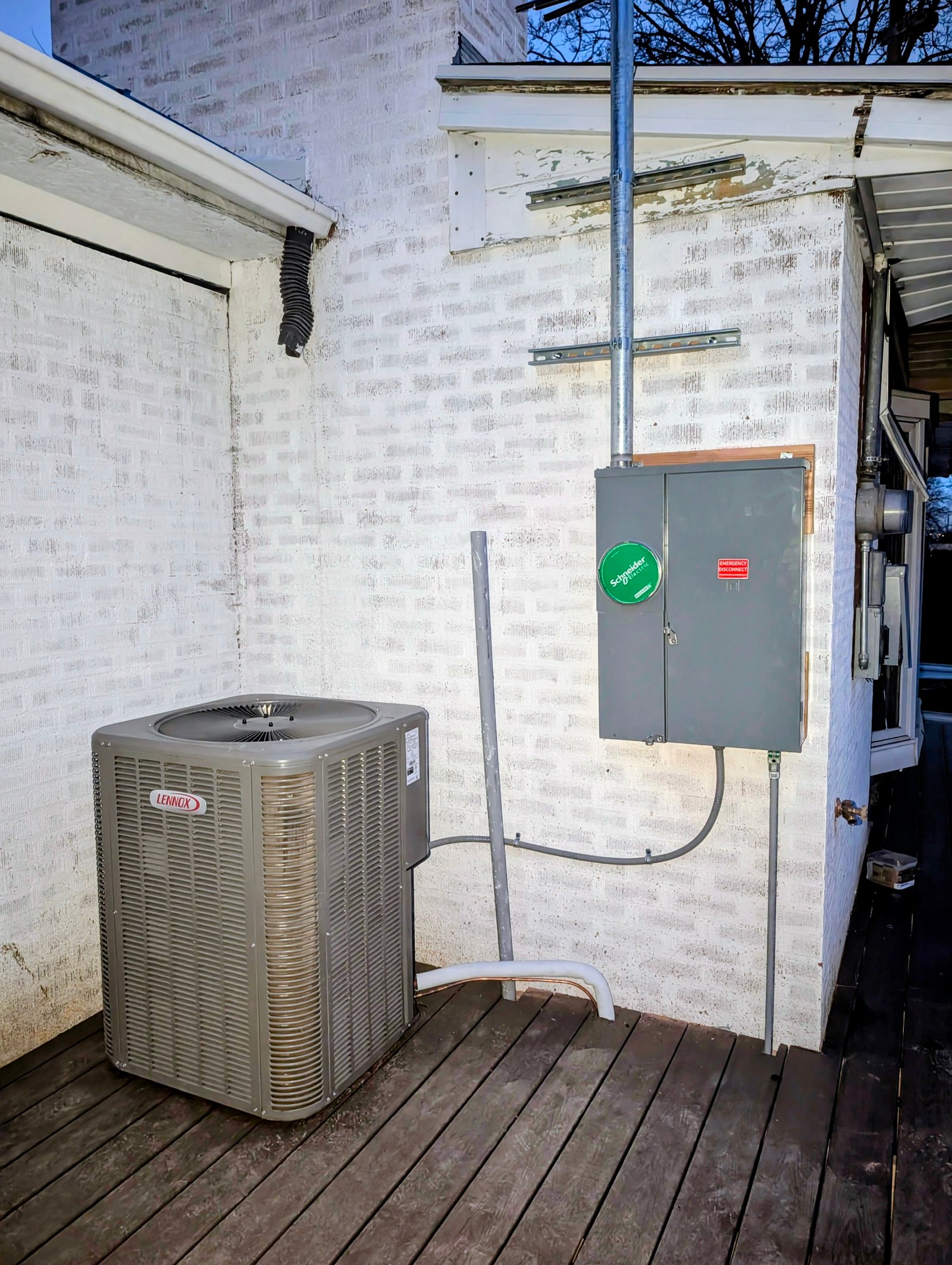
That large metal box sitting outside your home plays a crucial role in keeping your family comfortable during Provo and Lehi's scorching summer months. The air conditioning condenser—often overlooked until something goes wrong—is responsible for releasing the heat removed from your home into the outdoor air. When it fails, your entire cooling system stops working, leaving you at the mercy of Utah County's intense summer heat.
Understanding how your AC condenser works, recognizing early warning signs of problems, and knowing when to repair versus replace can save you thousands of dollars and prevent the discomfort of unexpected breakdowns. At Pureclima, we specialize in condenser repair throughout Utah County, and we've created this comprehensive guide to help homeowners in Provo, Lehi, and surrounding communities make informed decisions about their cooling systems.
What Is an AC Condenser and How Does It Work?
Before diving into repair and replacement decisions, it's helpful to understand what your condenser actually does and why it's essential to your home's comfort.
The Science Behind Condenser Operation
The condenser unit works as part of your air conditioning system's refrigeration cycle. Here's the simplified process:
- Heat Absorption: Inside your home, warm air passes over the evaporator coil, where refrigerant absorbs heat from the air
- Refrigerant Compression: The heated refrigerant travels to the outdoor condenser unit, where the compressor pressurizes it, raising its temperature even higher
- Heat Release: Hot refrigerant flows through condenser coils while a powerful fan blows outdoor air across them, releasing heat into the atmosphere
- Refrigerant Cooling: As the refrigerant releases heat, it condenses back into liquid form and cools down
- Cycle Repeats: The cooled liquid refrigerant returns indoors to absorb more heat, and the cycle continues
Without the condenser releasing heat outdoors, your air conditioner couldn't cool your home. This is why condenser problems result in warm air blowing from your vents—or no cooling at all.
Key Condenser Components
Understanding the main components helps you communicate with technicians and understand repair recommendations:
- Compressor: The heart of the system, pressurizing refrigerant and driving the cooling cycle. Often the most expensive component to replace.
- Condenser Coils: Network of tubing where heat exchange occurs. Must stay clean for efficient operation.
- Condenser Fan: Draws air across the coils to facilitate heat release. Essential for proper operation.
- Fan Motor: Powers the condenser fan. Subject to wear from constant operation and weather exposure.
- Refrigerant Lines: Copper tubing connecting indoor and outdoor units. Can develop leaks over time.
- Capacitors and Contactors: Electrical components controlling compressor and fan motor operation.
- Control Board: The "brain" managing system operation in modern units.
Common Condenser Problems in Provo and Lehi
The climate and environmental conditions in Utah County create specific challenges for condenser units. Understanding these common problems helps you recognize issues early.
Dust and Debris Accumulation
Provo and Lehi's location in a valley surrounded by mountains, combined with Utah's dry climate, creates significant dust exposure for outdoor condenser units.
How Dust Affects Your Condenser:
- Coated condenser coils reduce heat transfer efficiency by 10-30%
- System works harder to achieve the same cooling, increasing energy costs
- Compressor operates at higher temperatures, reducing lifespan
- Increased risk of overheating and automatic safety shutdowns
- In extreme cases, can cause complete compressor failure
Prevention: Annual professional cleaning and monthly visual inspection during heavy use months. Gently rinse coils with a garden hose (low pressure) between professional services.
Electrical Component Failures
Utah's temperature extremes and electrical grid fluctuations stress condenser electrical components:
Capacitor Failure
Capacitors store electrical energy to help start the compressor and fan motor. They're one of the most common failure points.
Symptoms:
- Humming sound from the unit but compressor won't start
- Fan runs but compressor doesn't
- Unit starts with difficulty or shuts off unexpectedly
- Bulging or leaking capacitor (visible on inspection)
Repair: Capacitor replacement is a relatively inexpensive repair ($150-$400) that should always be performed by a licensed technician due to electrical hazards.
Contactor Problems
The contactor is an electrical switch controlling power to the compressor and fan motor.
Symptoms:
- Unit won't turn on at all
- Unit won't turn off when thermostat calls for it
- Chattering or clicking sounds from the condenser
- Burn marks or pitting on the contactor contacts
Refrigerant Leaks
Refrigerant leaks can occur in the condenser coils, connection points, or refrigerant lines. They're a serious problem requiring professional repair.
Signs of Refrigerant Issues:
- Ice formation on refrigerant lines or the condenser itself
- Hissing or bubbling sounds indicating escaping refrigerant
- Warm air blowing from vents despite system running
- Dramatically increased electric bills
- System runs constantly without reaching set temperature
- Oil stains on or around the condenser (refrigerant carries oil)
Important: Refrigerant handling requires EPA certification. DIY attempts are illegal and dangerous. A professional technician must locate the leak, repair it, and recharge the system with the precise amount of refrigerant specified by the manufacturer.
Fan Motor Failures
The condenser fan motor operates whenever your AC runs, making it subject to significant wear. Utah's temperature extremes and dust accelerate this wear.
Symptoms of Fan Motor Problems:
- Fan doesn't spin when the compressor is running
- Slow or irregular fan rotation
- Grinding, squealing, or screeching noises
- Unit overheating and shutting down on safety
- Buzzing sound without fan movement (could be capacitor or motor)
Compressor Failure
The compressor is the most critical—and expensive—component in your condenser. When it fails, you're facing a significant repair decision.
Signs of Compressor Problems:
- Loud rattling or grinding noises from the condenser
- Circuit breaker trips when AC starts
- Unit vibrates excessively
- Warm air from vents despite everything else appearing normal
- Unit hard-starting or stalling
- Compressor housing extremely hot to touch
Condenser Repair vs. Replacement: Making the Right Decision
When your condenser experiences significant problems, you'll face a decision between repair and complete replacement. Several factors should guide this decision.
The $5,000 Rule of Thumb
A common guideline in the HVAC industry suggests that if the cost of repair multiplied by the age of the unit exceeds $5,000, replacement is usually the better option. For example:
- 5-year-old unit needing $1,000 repair: 5 × $1,000 = $5,000 (borderline—consider other factors)
- 10-year-old unit needing $1,000 repair: 10 × $1,000 = $10,000 (definitely replace)
- 8-year-old unit needing $500 repair: 8 × $500 = $4,000 (probably repair)
When Repair Makes Sense
Consider repairing your condenser when:
- Unit is less than 8-10 years old
- Problem is minor (capacitor, contactor, fan motor)
- Unit has been well-maintained and otherwise operates well
- Repair cost is less than 50% of replacement cost
- Refrigerant type is still widely available (not R-22)
- No history of frequent repairs
When Replacement is the Better Choice
Consider replacing your condenser (and typically the indoor evaporator coil as well) when:
- Unit is more than 12-15 years old
- Compressor has failed (typically $1,500-$2,500+ repair)
- Multiple major components need replacement simultaneously
- Unit uses R-22 refrigerant (phased out, increasingly expensive)
- Energy efficiency is significantly below current standards
- Frequent breakdowns indicate declining reliability
- Major refrigerant leak in the condenser coils
Important: Matched Systems Matter
If you replace only the condenser while keeping an old indoor evaporator coil, you'll likely experience:
- Reduced efficiency (up to 15% lower than rated performance)
- Potential warranty violations (manufacturers require matched components)
- Premature failure of the new condenser
- Comfort issues and uneven cooling
A professional HVAC contractor will evaluate your entire system and recommend the appropriate scope of replacement.
Cost Factors for Condenser Services in Provo and Lehi
Understanding typical costs helps you evaluate quotes and budget appropriately for condenser services.
Common Condenser Repair Costs
- Capacitor replacement: $150-$350
- Contactor replacement: $175-$400
- Fan motor replacement: $400-$800
- Condenser coil cleaning: $100-$250 (preventive)
- Refrigerant leak repair: $200-$1,500+ (depending on location and severity)
- Refrigerant recharge: $200-$600 (plus repair costs)
- Compressor replacement: $1,500-$2,500+
- Control board replacement: $400-$800
Condenser Replacement Costs
Complete condenser replacement (typically paired with indoor coil replacement):
- Basic 14 SEER system: $3,500-$5,500
- Mid-efficiency 16 SEER system: $4,500-$7,000
- High-efficiency 18+ SEER system: $6,000-$10,000+
Note: Costs vary based on system size, efficiency rating, installation complexity, and any necessary ductwork or electrical modifications.
Condenser Maintenance: Preventing Problems Before They Start
Regular maintenance is the most cost-effective approach to condenser longevity and reliability. Here's what Provo and Lehi homeowners should do:
Monthly DIY Maintenance
During cooling season (May through September in Utah County):
- Visually inspect the unit for damage, debris, or vegetation encroachment
- Maintain 2-foot clearance around all sides of the condenser
- Remove leaves, grass clippings, and debris from the unit top and sides
- Trim back any plants or shrubs near the unit
- Check that the condenser pad remains level
- Listen for unusual noises during operation
Quarterly Coil Cleaning
Given Utah County's dust, quarterly coil cleaning helps maintain efficiency:
- Turn off power to the unit at the disconnect box
- Gently spray coils with a garden hose from the inside out (low pressure)
- Use foaming cleaner for stubborn dirt (available at hardware stores)
- Straighten any bent fins carefully with a fin comb
- Allow to dry completely before restoring power
Caution: Never use a pressure washer on condenser coils—the high pressure can damage delicate fins and embed debris deeper into the coils.
Annual Professional Maintenance
Schedule professional maintenance each spring before cooling season:
- Deep coil cleaning with commercial-grade foaming cleaner
- Refrigerant level check and leak testing
- Electrical component inspection and tightening
- Capacitor and contactor testing
- Fan motor inspection and lubrication (if applicable)
- Compressor amp draw testing
- Overall system performance evaluation
Provo and Lehi Climate Effects on Condensers
Understanding how our local climate impacts your condenser helps you take appropriate protective measures.
Summer Heat Challenges
Utah County summers regularly exceed 95°F, with occasional days over 100°F. These conditions strain condensers:
- Higher operating pressures stress compressor and components
- Reduced heat transfer efficiency when outdoor air is already hot
- Increased energy consumption during heat waves
- Greater thermal cycling stress on electrical components
Mitigation: Ensure proper airflow around the unit, consider shade structures that don't impede airflow, and maintain clean coils for maximum heat transfer efficiency.
Winter Weather Protection
While Utah County winters are relatively mild compared to some regions, proper winter care extends condenser life:
- Consider a breathable condenser cover for winter (not plastic tarps which trap moisture)
- Keep the unit clear of snow accumulation
- Remove any debris before covering
- Ensure the unit is level to prevent water pooling and ice damage
Signs of Condenser Failure: When to Call a Professional
Recognizing early warning signs allows for repair before complete failure occurs. Call a professional if you notice:
- Any unusual noises (grinding, screeching, rattling, hissing)
- Visible refrigerant leaks or oil stains
- Ice formation on the unit or refrigerant lines
- Unit frequently cycling on and off
- Dramatically increased energy bills
- Warm air from vents when cooling is called for
- Unit won't turn on or won't turn off
- Circuit breaker trips when AC operates
The Professional Condenser Repair Process
When you call Pureclima for condenser service in Provo or Lehi, here's what to expect:
Initial Assessment
- Discussion of symptoms and system history
- Visual inspection of the unit and surrounding area
- System operation testing
Diagnostic Testing
- Electrical testing of capacitors, contactors, and connections
- Refrigerant pressure readings
- Temperature differential measurements
- Compressor amp draw testing
- Leak detection if refrigerant loss is suspected
Repair and Testing
- Detailed explanation of findings and recommended repairs
- Upfront pricing before work begins
- Professional repair using quality parts
- Complete system testing after repair
- Documentation and warranty information
- Maintenance recommendations to prevent future issues
Conclusion: Protecting Your Condenser Investment
Your AC condenser is a significant investment in your home's comfort. Understanding how it works, recognizing early signs of trouble, and investing in regular maintenance can add years to its life while preventing costly emergency repairs.
For homeowners in Provo, Lehi, and throughout Utah County, the unique climate challenges—from summer heat to winter cold, from dust to altitude—make professional HVAC service particularly valuable. Local expertise means understanding these challenges and knowing how to address them effectively.
At Pureclima, we're committed to helping you make informed decisions about your condenser and entire HVAC system. Whether you need emergency repair, preventive maintenance, or guidance on replacement options, our experienced technicians provide honest assessments and quality workmanship you can trust.
Schedule Condenser Service in Provo or Lehi
Don't wait for a complete breakdown to address condenser issues. Contact Pureclima today for professional condenser repair, maintenance, or replacement services in Provo, Lehi, and throughout Utah County. Our experienced technicians will ensure your cooling system is ready for whatever summer brings.
(801) 900-51110