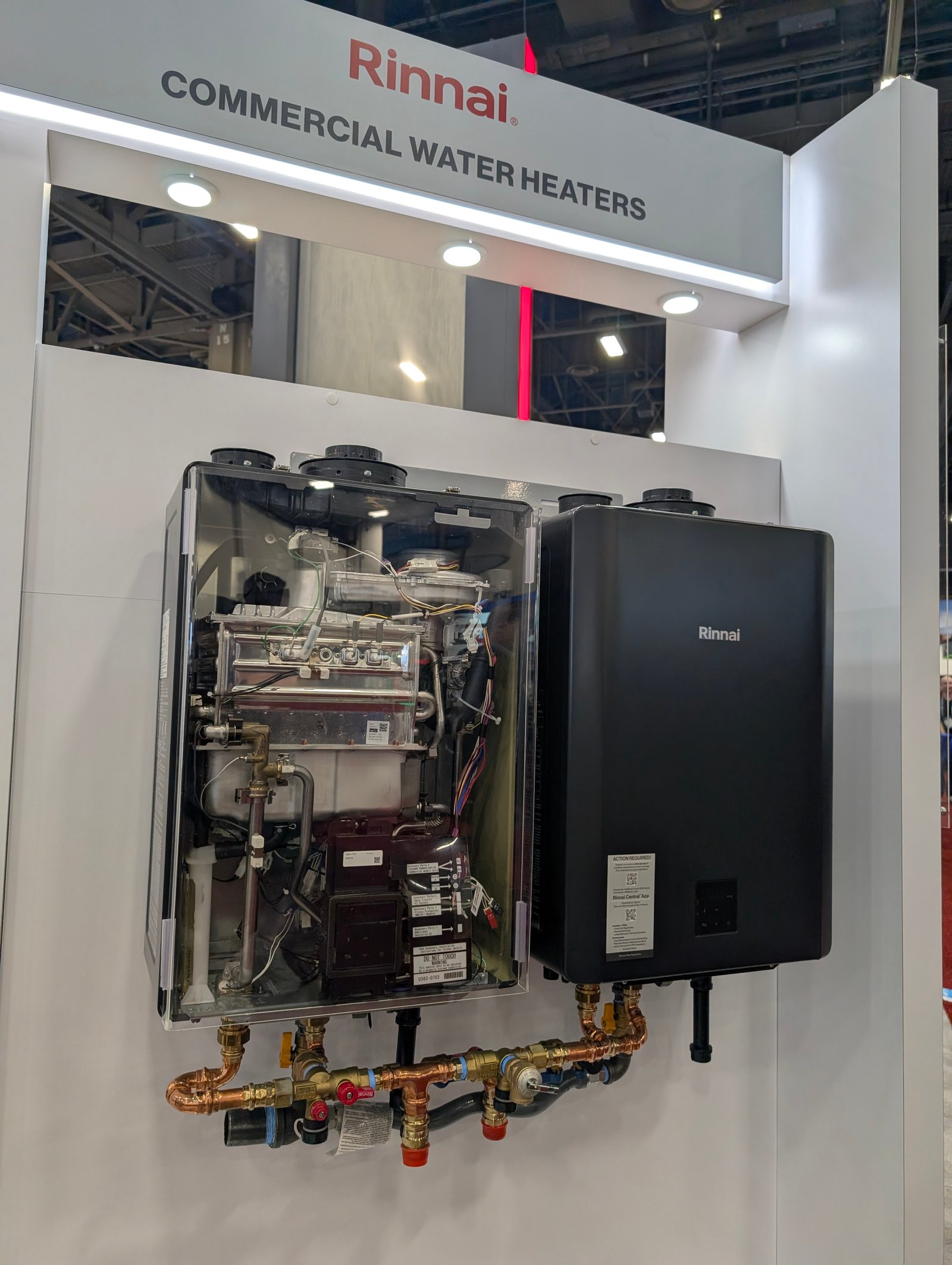
Hot water is one of those modern conveniences we often take for granted until it's no longer available. Whether you're dealing with inconsistent water temperatures, strange noises from your water heater tank, or have discovered a leak, deciding between water heater repair and replacement can be challenging. For homeowners throughout Pleasant Grove, Provo, Lehi, and the greater Utah County area, understanding when to repair versus when to replace can save significant money and prevent inconvenient disruptions to your daily routine.
This comprehensive guide will help you understand the factors that influence this important decision, including the age of your unit, the nature of the problem, energy efficiency considerations, and long-term cost implications. By the end, you'll have a clear understanding of whether repairing your existing water heater or investing in a replacement is the right choice for your home and budget.
Understanding Your Water Heater's Lifespan
The average lifespan of a traditional tank water heater is between 8 to 12 years, though with proper maintenance, some units can last up to 15 years. Tankless water heaters typically have a longer lifespan, often lasting 15 to 20 years. However, several factors can affect how long your specific unit will last, especially in Utah's unique climate and water conditions.
Factors that can shorten your water heater's lifespan include:
- Hard water and mineral buildup common in Utah
- Lack of regular maintenance and flushing
- High water pressure in your home
- Sediment accumulation in the tank
- Improper installation or sizing
Signs Your Water Heater Needs Repair
Not every water heater problem requires a full replacement. Many issues can be resolved with professional repairs, often at a fraction of the cost of a new unit. Here are common signs that your water heater likely needs repair rather than replacement:
Inconsistent Water Temperature
If your water runs hot and cold unexpectedly or doesn't reach the temperature set on your thermostat, the issue could be a faulty heating element, a malfunctioning thermostat, or a broken dip tube. These components can often be repaired or replaced without needing a new water heater.
Strange Noises
Popping, crackling, or rumbling sounds coming from your water heater usually indicate sediment buildup at the bottom of the tank. This is particularly common in Utah due to the state's hard water. In many cases, flushing the tank and descaling can resolve this issue and extend the life of your unit.
Minor Leaks
Small leaks around fittings, connections, or the pressure relief valve can often be repaired by tightening connections or replacing faulty components. However, leaks from the tank itself usually indicate replacement is necessary.
Discolored Water
Rusty or cloudy hot water can indicate corrosion inside the tank or a failing anode rod. Replacing the anode rod is a relatively inexpensive repair that can prevent further corrosion and extend your water heater's life.
Signs It's Time to Replace Your Water Heater
While repairs can address many issues, there are clear indicators that replacement is the more practical and cost-effective option:
Age of the Unit
If your water heater is more than 10 years old and experiencing problems, replacement is usually the better investment. The cost of frequent repairs on an aging unit often exceeds the cost of a new, more efficient water heater.
Tank Leaks
Any leak from the tank itself is a clear sign that replacement is necessary. Tank leaks cannot be repaired and will only worsen over time, potentially causing significant water damage to your home.
Frequent Repairs
If you've had to call for repairs multiple times in the past year, it's likely more economical to invest in a new water heater than to continue paying for ongoing fixes.
Inefficient Performance
Older water heaters lose efficiency over time, resulting in higher energy bills. If you've noticed your utility costs increasing without a corresponding increase in hot water usage, a new energy-efficient model could save you money in the long run.
Tank vs. Tankless Water Heaters
When replacing your water heater, you'll need to decide between a traditional tank model and a tankless (on-demand) system. Each has distinct advantages:
Traditional Tank Water Heaters
Tank water heaters store and continuously heat a large volume of water, typically 40 to 50 gallons for residential use.
Advantages:
- Lower upfront cost
- Simpler installation process
- Can handle high-demand situations (multiple showers simultaneously)
- Widely available and familiar technology
Disadvantages:
- Higher ongoing energy costs
- Takes up more space
- Limited hot water supply (can run out)
- Shorter lifespan (8-12 years)
Tankless Water Heaters
Tankless systems heat water on demand as it flows through the unit, providing virtually unlimited hot water.
Advantages:
- Significant energy savings (24-34% more efficient)
- Compact, wall-mounted design saves space
- Never runs out of hot water
- Longer lifespan (15-20 years)
- Eligible for energy efficiency rebates
Disadvantages:
- Higher upfront cost
- May require electrical or gas line upgrades
- Output can be limited during simultaneous high-demand usage
- Requires annual maintenance (descaling)
Cost Comparison: Repair vs. Replacement
Understanding the costs involved can help you make an informed decision:
Average Repair Costs
- Thermostat replacement: $100-$200
- Heating element replacement: $150-$300
- Anode rod replacement: $100-$250
- Pressure relief valve: $100-$200
- Dip tube replacement: $150-$250
- Tank flushing and descaling: $150-$250
Replacement Costs
Traditional Tank Water Heater:
- Unit cost: $500-$1,500
- Installation: $500-$1,000
- Total: $1,000-$2,500
Tankless Water Heater:
- Unit cost: $1,000-$3,000
- Installation: $1,000-$2,500
- Total: $2,000-$5,500
Energy Efficiency Considerations
Utah's varying seasons and temperature extremes make energy efficiency an important consideration. Modern water heaters offer significant improvements over older models:
- New tank models can be 20-30% more efficient than units made 10+ years ago
- Tankless units can save $100-$200 annually on energy costs
- Heat pump water heaters offer the highest efficiency but work best in warm spaces
- Rocky Mountain Power offers rebates for energy-efficient water heater installations
The Installation Process
Whether you're repairing or replacing, professional installation ensures safety and optimal performance. At Pureclima, our water heater installation process includes:
- Assessment of your hot water needs and current setup
- Proper sizing for your household's usage patterns
- Professional removal of the old unit
- Code-compliant installation with proper venting and connections
- Testing and calibration for optimal performance
- Cleanup and disposal of the old unit
Maintenance Tips for Extended Lifespan
Regular maintenance can significantly extend your water heater's lifespan and maintain efficiency:
- Flush the tank annually to remove sediment buildup
- Check the anode rod every 2-3 years and replace if necessary
- Test the pressure relief valve annually
- Insulate older units and pipes to improve efficiency
- Keep the area around the water heater clean and clear
- Schedule professional maintenance every 1-2 years
Making Your Decision
When deciding between repair and replacement, consider these factors:
Choose Repair When:
- The unit is less than 8 years old
- This is the first or second repair needed
- The repair cost is less than 50% of replacement cost
- The unit has been well-maintained
Choose Replacement When:
- The unit is more than 10 years old
- Repairs are becoming frequent (3+ times in 2 years)
- Energy bills are increasing significantly
- The tank is leaking or showing rust
- You want to upgrade to a more efficient model
Get Expert Water Heater Advice Today
Still unsure whether to repair or replace your water heater? Pureclima's experienced technicians can assess your unit and provide honest recommendations. We serve homeowners throughout Utah County and Salt Lake County with professional water heater repair and installation services.
(801) 900-51110